Peptide Top Quality: Importance Of Third-party Recognition
Air Conditioning Peptide Testing Labs Third-party Peptide Evaluation
Innovative Peptides recommends a series of different purity degrees to aid you select the appropriate peptide pureness for peptide-based assays and applications. The complying with listing shows the advised peptide pureness levels needed for different peptide applications. Peptide recognition is largely done utilizing mass spectrometry (MS), which gives precise dimensions of peptide molecular weight. In addition, methods such as amino acid analysis and HPLC are utilized to verify the peptide's identification and pureness, making sure exact characterization for different applications. We give peptide identity confirmation utilizing mass-based methods picked for the sample and logical purpose. This is very important when the major inquiry is whether the observed component matches the designated peptide or whether a modification has actually been incorporated as anticipated.
This degree of comprehensive evaluation makes certain the peptide's accuracy-- meaning the series and pureness are precisely as identified-- which is essential for experimental reproducibility. By confirming composition through multiple validated techniques, lab validation assurances that researchers receive a high-purity peptide that will carry out as expected in the lab. Laboratory validation of peptides is not only a scientific finest method-- it's typically a regulatory need when peptides are used in restorative development or clinical research study.
Trusted peptide vendors constantly note their products by doing this and supply quality records with HPLC and MS data to support the purity level. As long as you acquire peptides from a relied on resource that offers a full certification of analysis, you can be confident in the peptide's purity quality and usage scope. Peptides are checked with a mix of strategies, including HPLC for purity, mass spectrometry (MS) for series verification, and nuclear magnetic vibration (NMR) for architectural evaluation. These techniques help identify the peptide's make-up, confirm the molecular weight, and discover any architectural changes or impurities, making sure the peptide satisfies quality and specification needs. With our extensive peptide evaluation platform, Creative Proteomics has actually developed a very delicate and specific platform.Stability Comparisons
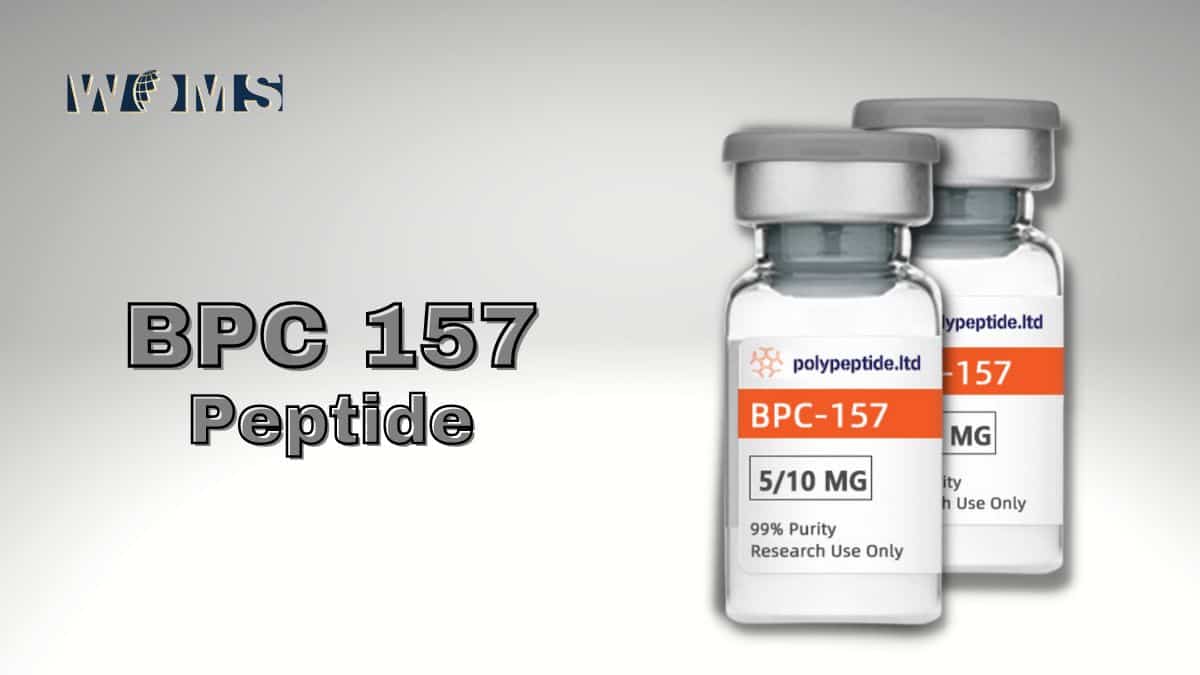
Kinds Of Contaminations Hplc Finds
Likewise, keep in mind that "research-grade" peptides are implied for the laboratory bench and feature high purity and identification checks but are not produced as medications. Always examine that your peptide features proper analytical information (HPLC chromatogram and MS results) and is classified for research study usage. Armed with this knowledge, you can confidently interpret labels like "95% pureness, research study grade" and make use of those peptides to drive your experiments without complication. Expertise of pureness levels will certainly additionally direct you if you ever before require a higher pureness peptide for a specifically delicate assay. In the end, getting the purity level right indicates much more reliable science-- and that's the ultimate goal for any type of scientist. With years of analytical testing experience and progressed tool systems, BOC Sciences provides thorough peptide high quality screening services across the entire procedure from raw materials to solutions.A practical assay measuring downstream signaling-- or a structural research using NMR or X-ray crystallography-- demands the greatest pureness readily available. Crystallographers particularly typically need ≥ 98% pureness since even minor impurities can protect against crystal development or introduce condition into the crystal latticework. As particles leave the column, they pass through a detector-- typically a UV detector readied to 214 or 220 nm, wavelengths where the peptide bond takes in light highly. The detector documents how much UV light is absorbed over time, generating a chart called a chromatogram. This guide breaks down what pureness really suggests in peptide chemistry, just how it's determined, what the pollutants are, and just how to read the documents that confirms a peptide is what it declares to be.
What To Search For In A Certificate Of Analysis
- The companion page on why 99 percent purity issues clarifies why tiny pollutant percentages can still matter in delicate in-vitro assays.
- Alternatively, using peptides that have actually passed third-party laboratory validation helps ensure that the observed speculative results are absolutely due to the intended peptide and not because of impurities or mistakes.
- These numbers get sprayed so frequently that it's easy to gloss over them-- simply one more specification on an item page.
- HPLC-tested means the example was run through high-performance fluid chromatography to divide the target peptide from impurities.
- As the portion of organic solvent slowly increases throughout the run, particles are launched from the column in order of their hydrophobicity-- the more hydrophobic a peptide, the longer it requires to elute (wash off).